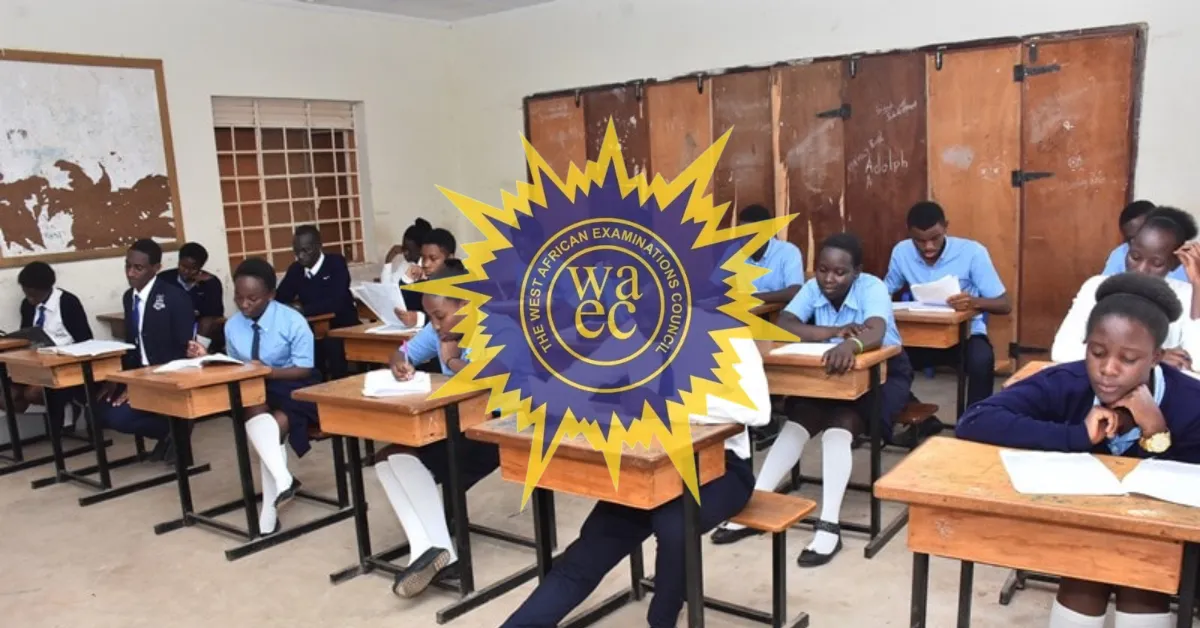
The WASSCE examination in Clothing and Textiles combines practical and theoretical components to evaluate students' understanding of fabric manufacturing, garment design, and the management of clothing and textile businesses.
Serving as a detailed guide for candidates, this syllabus identifies the important subject areas, hands on skills, and examination requirements necessary for success.
From the properties of fibres to techniques in garment construction and the business side of textiles, the syllabus builds in students both the technical and creative abilities needed to perform well in the examination and to pursue further education or career opportunities in the fashion and textile industry.
Aims and Objectives
- Candidates must learn the rationale for studying textiles
- Candidates must learn about the development and careers in textiles
- Candidates must learn the development of positive attitudes and skills in producing indigenous and contemporary textiles
- Candidates must learn the effective manipulative skills, using tools, materials, and computer technology, and safety measures to be taken
- Candidates must learn the level of creativity as envisaged in design work for fashion, printing, weaving, and dyeing of fabrics
- Candidates must learn the skills for sustainable development and competencies for exploring the indigenous textile industry
- Candidates must learn the elements of entrepreneurial skills, such as costing, pricing, and marketing of textile products
- Candidates’ appreciation and patronage of indigenous and contemporary textile products
- Candidates’ competencies in building portfolios and skills in mounting exhibitions in textiles.
Examination Scheme
There will be three papers, Papers 1, 2 and 3, all of which must be taken. Papers 1 and 2 will be a composite paper to be taken in one sitting.
PAPER 1: Will consist of forty multiple choice objective questions, all of which must be answered within 50 minutes for 40 marks.
PAPER 2: Will consist of six essay type questions. Candidates will be required to answer. Four within 2 hours for 60 marks.
PAPER 3: Will be two practical projects, out of which candidates will execute one within five days, working for six hours each of the days. The paper will carry 80 marks.
The questions will be sent to candidates two weeks before the execution period, allowing them to study. Design sketches and preparatory notes should also be completed within two weeks before project execution. These will carry 20 marks. The total mark for the paper is, therefore, 100.
RELATED ARTICLE:
WAEC Syllabus 2026/2027 for All Subjects: SSCE & GCE
WAEC Syllabus for Clothing and Textiles 2026/2027
| SECTIONS | TOPIC |
| Textile Fibers and Fabrics | Types of fibers (natural & synthetic), yarn production Properties of fibers, selection and uses, identification tests |
| Fabric Construction | Weaving, knitting, crocheting, felting Techniques and end uses, fabric grain, bias, and straight grain |
| Fabric Finishes | Mechanical and chemical finishes Purposes of finishes (e.g., waterproofing, dyeing, printing) |
| Sewing Equipment and Tools | Types, care, and maintenance Sewing machine operations, storage, and safety precautions |
| Clothing Construction Techniques |
Making simple garments, use of patterns, types of stitches, and their applications |
| Consumer Education | Clothing selection, wardrobe planning, and budgeting Fashion trends, shopping guidelines, clothing care, and maintenance |
| Entrepreneurship in Textiles | Small business opportunities, branding, and customer service Starting a tailoring/fashion business, marketing skills, and pricing strategies |
| Fashion and Design | Elements and principles of design, color theory Application in garment design, illustration, and fashion drawing |
| Textile Care and Maintenance | Laundering, stain removal, and storage Laundry equipment, fabric care labels, and eco friendly practices |
DOWNLOAD WAEC SYLLABUS FOR CLOTHING AND TEXTILES 2026
Recommended Texts
- Clothing and Textiles for Senior Secondary Schools by R.O. Uyoata: This textbook offers a comprehensive introduction to the study of fibres, fabric construction, sewing techniques, and garment care.
- Home Economics for Senior Secondary Schools Book 1, 2 & 3 by F. Oguntona: A foundational series covering a broad range of home economics topics, including extensive sections on clothing and textiles.
- “Basic Clothing Construction by T. O. Ajayi and O. A. Akinyemi: Focuses heavily on garment making techniques, pattern drafting, and machine operation.
- Textiles and Fashion by Rosemary Corkhill: Though not locally tailored, it provides a global perspective on textiles, fashion design, and production processes.
- Clothing and Textiles for West Africa by Essie Agboli: Tailored specifically for the WAEC and WASSCE curriculum in West Africa.
- Senior Secondary Clothing and Textiles by U. I. Enemuo: Another WAEC aligned textbook that combines detailed theory with practical exercises and exam-style questions, ideal for revision and classroom use.





No comments yet. Be the first to share your thoughts!